
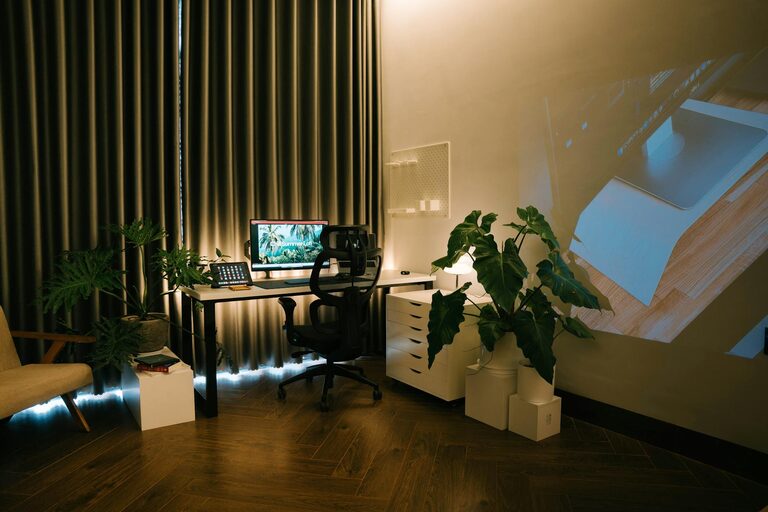
Creating a cozy and productive home office space is more important than ever. Whether you’re working remotely full-time or occasionally need a dedicated area for tasks, having a workspace that inspires focus and comfort can make a world of difference. In this post, we’ll explore practical tips to help you design an office environment that boosts your productivity while feeling inviting and personal.
Why a Good Home Office Matters
A well-designed home office not only supports your work efficiency but also contributes to your well-being. When your workspace is cluttered, uncomfortable, or uninspiring, it’s easy to feel distracted or fatigued. On the other hand, a cozy atmosphere paired with functional design can help maintain your motivation and reduce stress.
Choosing the Right Location
Find a Quiet Spot
Select a space in your home with minimal noise and interruptions. Ideally, this should be a separate room or a corner away from high-traffic areas. If space is limited, consider noise-cancelling headphones or soundproofing techniques.
Natural Light is Key
Try to position your desk near a window. Natural daylight not only brightens the space but also helps regulate your circadian rhythm, improving alertness and mood.
Comfortable and Ergonomic Furniture
Invest in a Good Chair
A supportive office chair is crucial to avoid back pain and maintain good posture. Look for adjustable chairs with cushioning and lumbar support.
Choose the Right Desk
Your desk should suit the type of work you do and your available space. Standing desks or adjustable desks can provide flexibility and promote movement throughout the day.
Organizing Your Workspace
Declutter Regularly
Keep only the essentials on your desk to avoid distractions. Use storage boxes, drawers, or shelves to store paperwork, supplies, and electronics neatly.
Use Cable Management
Tangled cables can create a messy appearance and even become a safety hazard. Use cable organizers or clips to keep wires tidy.
Personalize Your Space
Add Plants
Indoor plants not only beautify your office but can also improve air quality and reduce stress.
Choose Calming Colors
Soft, neutral colors like light blue, green, beige, or grey create a calming environment. Use accent colors sparingly to add warmth and interest.
Display Inspiring Items
Whether it’s artwork, photos, or motivational quotes, carefully selected decor can make your workspace more inviting.
Lighting Tips
Combine Ambient and Task Lighting
Use a combination of overhead lights and desk lamps to ensure your workspace is well-lit without causing glare or eye strain.
Opt for Warm Light
Warm light bulbs create a cozier atmosphere, which can be particularly pleasant during early mornings or late evenings.
Maximize Productivity
Set Up a Dedicated Work Zone
Keep your work tools and materials within easy reach to maintain workflow. Avoid using your workspace for non-work activities.
Schedule Breaks and Movement
Plan short breaks to stretch or walk around. This helps prevent fatigue and keeps your mind fresh.
Use Technology Wisely
Declutter your digital desktop and use productivity apps or timers. Maintain an organized digital environment alongside your physical workspace.
Maintaining Work-Life Balance
Establish Clear Boundaries
Having a designated office space helps mentally separate work from leisure. When your workday ends, step away from your office to disconnect.
End-of-Day Rituals
Consider tidying your desk before finishing work. This prepares you for a fresh start the next day and signals the end of your work hours.
Final Thoughts
Designing a home office that is both cozy and productive takes a bit of planning, but the benefits are well worth it. By focusing on comfort, organization, lighting, and personalization, you can create a space that supports your professional goals while making your workday more enjoyable.
Remember, your home office should reflect your unique style and needs. Feel free to experiment and adjust your setup as you discover what works best for you. With these tips, you’ll soon enjoy a home workspace where productivity and comfort go hand in hand.