
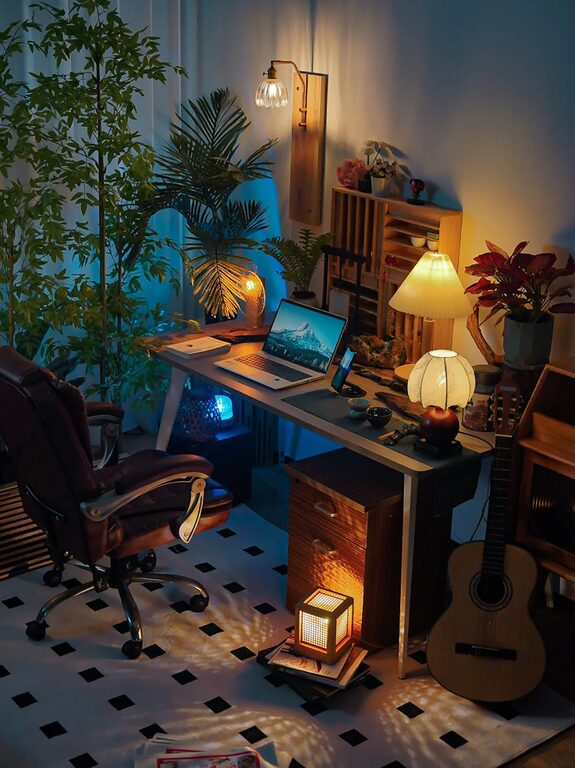
Creating a home office that feels both cozy and inviting is essential for maintaining focus and enjoying your workday. Whether you are working remotely, freelancing, or managing household tasks, a well-designed workspace can make all the difference. Below, we share practical tips to help you build a home office that combines comfort, style, and functionality.
Choose the Right Location
Finding the perfect spot for your home office is the first step toward creating an inviting space.
– Natural Light: Position your desk near a window if possible. Natural light enhances mood and reduces eye strain.
– Quiet Area: Select a quiet corner away from high-traffic zones to minimize distractions.
– Space: Make sure there is enough room for your desk, chair, and storage without feeling cramped.
Invest in Comfortable and Ergonomic Furniture
Comfort is key when spending long hours at your desk.
Desk
Choose a desk with enough surface area to accommodate your computer, documents, and accessories. Adjustable desks are a great option if you want to switch between sitting and standing.
Chair
A supportive ergonomic chair protects your back and promotes good posture. Look for adjustable features such as seat height, lumbar support, and armrests.
Incorporate Warm and Soft Textures
Adding textures can instantly make your office feel welcoming.
– Rugs: Use a soft area rug to define the space and add warmth.
– Throws and Cushions: Place a cozy throw blanket or a cushion on your chair for extra comfort.
– Curtains: Consider fabric curtains over blinds for a softer look and light diffusion.
Personalize Your Space
A personalized office boosts motivation and makes your work environment pleasant.
– Artwork and Photos: Hang inspiring artwork or framed photos that bring positive energy.
– Plants: Indoor plants improve air quality and add a splash of green, creating a calming atmosphere.
– Decorative Items: Use tasteful knick-knacks, bookends, or desk organizers that reflect your style without cluttering your desk.
Optimize Lighting for Productivity and Ambiance
Good lighting prevents eye strain and sets the mood.
– Task Lighting: A desk lamp with adjustable brightness focuses light where you need it most.
– Ambient Lighting: Use soft overhead lights or floor lamps to create a balanced atmosphere.
– Avoid Glare: Position monitors to minimize glare from windows or lights.
Keep Your Workspace Organized
An organized office reduces stress and helps you concentrate.
– Storage Solutions: Use shelves, drawers, or filing cabinets to keep paperwork and supplies out of sight.
– Desk Organizers: Utilize trays, pen holders, and cable management tools to keep your desk tidy.
– Declutter Regularly: Set aside a few minutes each day to clear your workspace.
Add Elements That Inspire Relaxation
Your home office should be a place where you can focus yet feel at ease.
– Aromatherapy: Use scented candles or essential oil diffusers with calming scents like lavender or eucalyptus.
– Sound: Soft background music or white noise can help maintain focus.
– Break Area: If space allows, incorporate a small nook with a comfortable chair for short breaks.
Pay Attention to Colour Choices
Colours influence mood and energy levels.
– Neutral Tones: Soft whites, beiges, and pastels create a calming environment.
– Accent Colours: Use bold colours like blue or green in small doses to stimulate creativity and concentration.
– Consistency: Keep the colour palette cohesive to maintain harmony and visual appeal.
Ensure Good Air Quality and Temperature
A comfortable climate promotes productivity.
– Ventilation: Open windows regularly or use an air purifier.
– Temperature Control: Adjust heating or cooling to keep the space comfortable year-round.
—
By following these tips, you can create a cozy, inviting home office that not only enhances your work experience but also feels like a personal retreat. Remember that your workspace should reflect your preferences and meet your functional needs, so feel free to adapt these guidelines to your unique style. Happy decorating!